Specification
Write monitored assets, data interval, communication protocol, metering inputs, alarm workflow, and integration interface. Add rated power, voltage, phase, and enclosure rating when the project already knows them.
TerraFlow Supply is an independent sourcing partner for US project buyers who need factory quotations, not a catalog claim. Name the application, the monitored assets, and the data interval before any supplier list is assembled.
A family label such as Solar and Energy Services does not identify the controller, the meter set, or the protocol gateway. The desk records those fields as open until a proposed manufacturer ties them to one model.
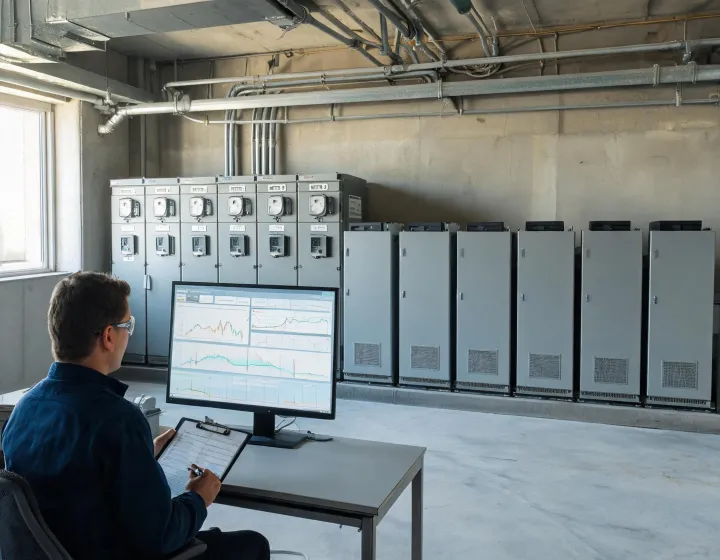
Four fields keep later quotations comparable. They describe the request. They do not state that a price, a lead time, or a certificate is already in hand.
Write monitored assets, data interval, communication protocol, metering inputs, alarm workflow, and integration interface. Add rated power, voltage, phase, and enclosure rating when the project already knows them.
State controllers, gateways, meters, or a project lot, and say whether a pilot unit is separate from the release quantity. Mixed BOM lines stay on separate rows.
Mark cables, current transformers, software seats, packaging, freight, tax and duty basis, and commissioning help as included or excluded. A unit figure without that list is not a comparison.
Ask for the current datasheet and drawing of the quoted model. Family brochures, unrelated listings, and another product line do not stand in for that file set.
Each card is a procurement situation. It is not a completed installation and it is not evidence that a named plant was audited.
Application: interval data from inverters and a building meter. Interface question: does the gateway speak the inverter protocol already on the roof. RFQ unit: one controller plus the meter count.
Application: plant SCADA points and string-level or inverter-level values. Interface question: which points are polled and which stay in the inverter. RFQ unit: server or controller scope per array block.
Application: charge and discharge setpoints beside PV. Interface question: AC-coupled or DC-coupled architecture, and who owns the battery management system link. RFQ unit: controller interface, not the battery rack itself.
Application: session energy and site demand. Interface question: whether OCPP events must pass into the same historian as the building meters. RFQ unit: site controller and charger-data license, kept as separate lines.
Application: several generators behind one interconnection. Interface question: maximum system voltage class and which party issues alarms. RFQ unit: one integration interface description per source.
Continue with the commercial energy management system options, the supplier matching steps, or the interface review. The procurement brief lists the same open fields in article form.
For an initial EMS comparison, distinguish the interval that a gateway polls from the interval retained in the historian. Ask whether a quoted license covers every required meter, how long records remain available, and whether exports retain timestamps and units. A low hardware price can suit a limited monitoring task; a larger package may include the needed history and integration work. Compare those inclusions before choosing a supplier preference or budget.
Include product family, quantity, US destination, requested timing, and any budget basis you already use. FREE sourcing support, up to 3%, follows the eligibility note in the sitewide banner and is confirmed after the product, quantity, destination, and sourcing requirements are reviewed.
up to 3%
Eligibility applies to qualified business buyers and is confirmed after we review your product, quantity, destination, and sourcing requirements.