Specification
Rated power of any power supply in the controller, maximum system voltage of the monitored DC equipment, and string current as a referenced inverter field rather than a controller rating.
This guide is an interface review, not a compatibility certificate. An industrial energy management system can share a protocol name with a meter or an inverter and still fail to map the registers, the alarm bits, or the write access you need.
Work left to right: physical connection, data the device actually publishes, and the approvals that no sourcing desk can close. Where a value is unknown, leave the cell blank for the supplier.
| Voltage and phase | Buyer to state, supplier to confirm |
|---|---|
| Communication protocol | Name and revision |
| Metering inputs | Count and signal type |
| Alarm workflow | Path and recipient role |
| Integration interface | Read, write, or both |
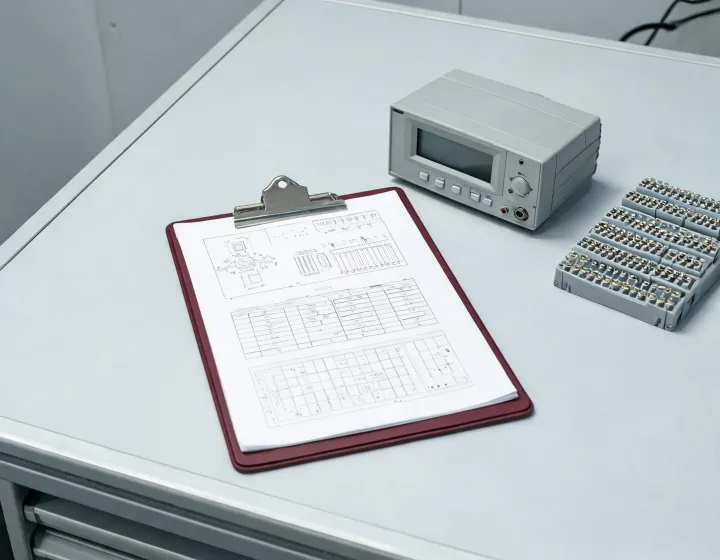
Rated power of any power supply in the controller, maximum system voltage of the monitored DC equipment, and string current as a referenced inverter field rather than a controller rating.
One worksheet per proposed model. Do not average two gateways into a single interface claim.
State whether configuration files, a site license, and a remote session are inside the offer.
Register map, drawing, and the software revision the map describes. A family brochure is not that map.
Central or string conversion can reduce the count of power-electronic boxes on a large layout and can simplify some service paths. Module-level conversion can expose per-module operation and monitoring where shade or a maintenance plan makes that visibility useful. An industrial energy management system may ingest either data set. Ask the proposed supplier for the points, units, and access rights the exact inverter exposes. Module efficiency describes PV modules; it does not measure the EMS interface or inverter conversion efficiency.
Level 2 EVSE and DC fast charging equipment may speak OCPP while the plant historian speaks another protocol. NACS or CCS describes the vehicle coupler, not the energy-management database. Background: a yard and a factory share a service transformer. Process: the brief asks whether charging-session energy is a metering input or a separate export. Result: the two data paths stay unmerged until both suppliers confirm the interface in writing.
Battery management system links, thermal management alarms, depth of discharge, and cycle life are storage questions. Ask for them on the storage line. A controller quote that repeats those phrases without a model-specific file has not answered them.
Proposed verification path: ask the supplier for a bench demonstration using the quoted firmware, gateway, and a meter or simulator approved for that check. Agree three read points, their units and scaling, a clock source, and a recording interval before the demonstration. Request both the raw point values and a timestamped export, then compare those values with the reference and log mismatches. Use simulated alarms to check the requested recipient path. Keep write commands disabled; any control trial needs a separately approved test plan. This is a buyer checklist, not a test result.
When comparing two proposed interfaces, complete the same columns for each: licensed point count, retained interval, read/write rights, export format, gateway accessories, configuration work, and recurring fees. A smaller read-only scope can fit a monitoring budget; a control interface adds permissions and validation work that the project must evaluate. A high-end, mid-range, budget, or undecided preference does not close those technical questions.
Related reading: commercial inquiry options, supplier evidence steps, factory contexts, and the procurement brief. The Department of Energy notes on inverters and grid services frame vocabulary. They are not an approval list.
Write the known voltage, protocol, quantity, US destination, and delivery window in the form. Name any files to discuss after contact. FREE sourcing support, up to 3%, follows the eligibility text on this site and is confirmed after review of the product, quantity, destination, and sourcing requirements. Unknown fields can remain open for confirmation.
up to 3%
Eligibility applies to qualified business buyers and is confirmed after we review your product, quantity, destination, and sourcing requirements.